Bitterness is not a flaw. It's the most complex taste in your glass.
You have 25 different bitter taste receptors, more than for any other taste. Sweetness gets exactly one. Savory gets three.
That many receptors exist because bitterness worked as an early warning for poison. Over thousands of years, people repurposed the warning into a pleasure, which is how you end up ordering a Negroni on purpose.
What bitter is, and why it covers so many tastes
“Bitter” is a word that covers a lot. An IPA, an espresso, Campari, Guinness, a tannic red wine, and a dry tonic water are all bitter in different ways.
Each one comes from a different compound hitting a different set of those 25 receptors. Hops give beer a sharp, sometimes piney bite. In coffee and tea, caffeine is only one bitter contributor; roasting creates dozens more. Amaro and aperitifs get their bitterness from roots and botanicals. Gentian root is the backbone of most classic recipes, wormwood shows up in others, and some use the bark of a South American tree first harvested to treat malaria.
That bark is also the source of tonic water’s quinine. The gin and tonic started in British India as a way to make the daily quinine dose drinkable. Nobody drinks it for the medicine anymore, but the bitterness stayed because people liked it.
In wine, what many drinkers call bitter is usually tannin, which comes from grape skins, seeds, and oak barrels and leaves a drying, grippy feeling at the back of the mouth. Strictly speaking, that grip is astringency, a separate sensation from bitterness. The two often arrive together and get filed under one note: “dry,” “too much,” or just “not for me.” Learning to tell them apart is one of the more useful things you can train yourself to notice.
Drinks built around bitterness
Beer measures bitterness in IBUs (International Bitterness Units), and a higher number means more bitter. A Pilsner sits around 20 to 40, and a West Coast IPA can reach 65 or higher. The number only tells you part of it. The hops, the fermentation, and how much residual sweetness is left to balance things all shape how the bitterness lands, so two beers with the same IBU can taste completely different.
Coffee is where most people first learn to love bitterness, even if they’d never call it that. Lighter roasts keep more of the bean’s own fruit, acidity, and brightness. Darker roasts pick up bitterness from the roasting itself. At its best that tastes like chocolate or walnut; pushed too far, it just tastes burnt. That line is often what separates a great espresso from a bad one. Extraction time matters too: leave it too long and the bitterness spikes past the point of pleasure.
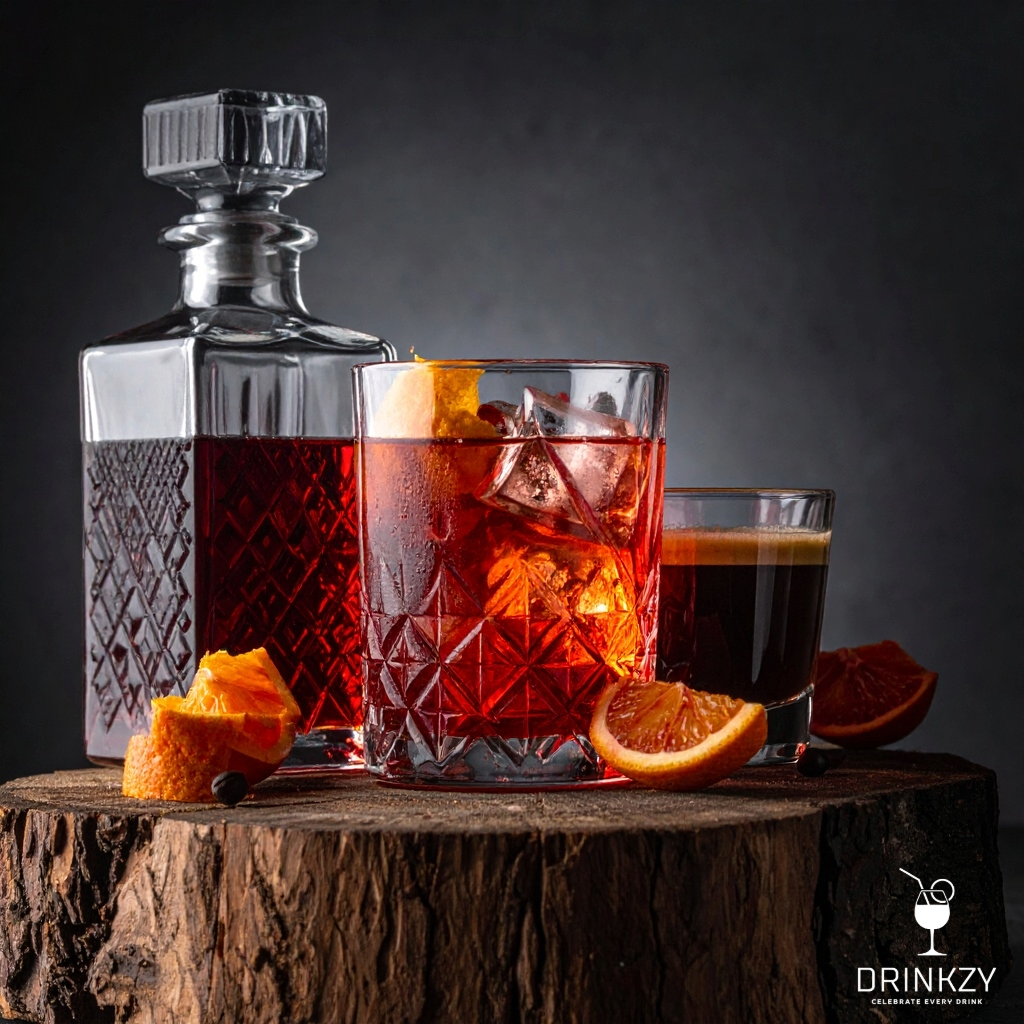
Cocktails have a whole category built on bitterness. Campari, Aperol, Suze, Luxardo, Fernet, and Cynar are amari (Italian for “bitters”), and their bitterness is deliberate and layered through the recipe. Campari alone draws on over 60 botanicals. In a Negroni, the bitter component is what keeps the drink from being just sweet and boozy.
Non-alcoholic drinks are leaning into bitterness more than ever, from tonic water and grapefruit juice to gentian-based sodas and dandelion-root tea. Zero- and low-proof makers have worked out that bitterness is one of the best ways to give a drink depth without alcohol. If you’ve been logging zero-proof drinks on Drinkzy, you’ve probably noticed how many of the best ones open with a bitter note.
Wine, especially full-bodied reds like Cabernet Sauvignon, Syrah, or Italian Barolo, puts bitterness at the center of the aging question. Young tannins can be grippy and sharp, and with enough time in bottle they soften into something rounder and more complex. Winemakers bet years on a wine that’s “too much” now turning out “just right” later.
Why an acquired taste isn’t tolerance
There’s a common assumption that liking bitterness means your palate has built up resistance and learned to ignore it. That isn’t what happens.
When you drink coffee, beer, or amaro regularly, you start linking the bitterness to everything that comes with it: the caffeine, the carbonation, the warmth, the company, and the flavors layered behind that first hit. The bitterness stays just as intense. You’ve just learned what it signals.
That’s why beer drinkers who start on Lager often move to Pale Ales, then IPAs, then imperial stouts and wild ales. They’re chasing the bitterness, because for them it’s what makes a beer interesting.
What logging bitterness teaches you
Most tasting notes skip bitterness or mention it only as a complaint: “too bitter,” full stop. That’s a fair reaction, but it won’t help much the next time you choose a drink.
Once you log bitterness on its own, you start building a picture of what you like. Note when it hits (right away or only on the finish), how strong it is, and whether it’s clean and sharp or soft and roasted. On Drinkzy that picture forms fast, and after a dozen or so entries, patterns appear. Maybe you like bitterness when it’s herbal, or only when sweetness balances it. Maybe the upfront bitterness of a Negroni works for you and the lingering bitterness of an IPA doesn’t.
That’s often the difference between a Negroni you loved and one that tasted medicinal. The finish on a good whisky is almost always bitter, too, and a long, pleasant bitterness usually means whoever made the drink took care.
Next time you log a drink, name the bitter.
Log your next bitter. Notice what changes.